Key points
- Operators use sensors and software to dynamically adjust grid safety limits.
- The strategy addresses rising energy demand driven by AI workloads.
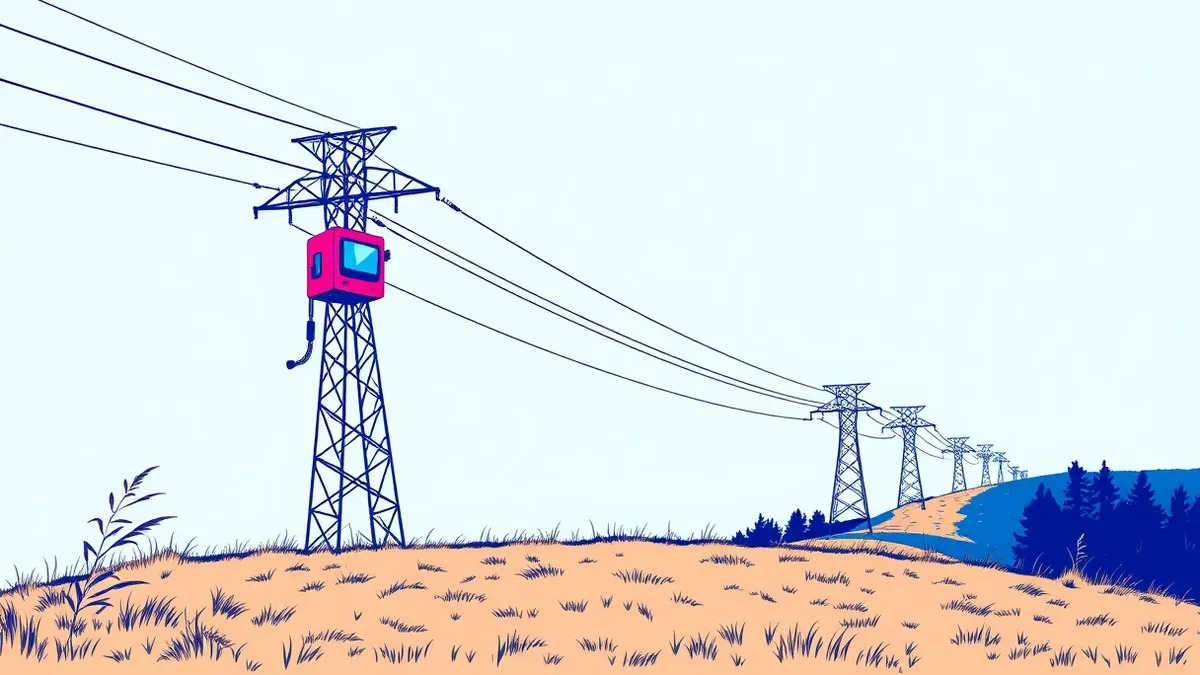
Power operators are deploying sensors and sophisticated software to dynamically adjust grid safety limits, according to a report by Martha Muir in the Financial Times.reported This approach allows utilities to extract additional capacity from installed transmission lines.Utilities are using software to get more power from existing lines. The shift comes as operators struggle to meet rising energy demand driven by artificial intelligence workloads.
Evidence: reported
Power operators are using sensors and software to dynamically adjust grid safety limits, boosting existing network capacity amid rising AI-driven energy demand (Martha Muir/Financial Times)aifleet-techmeme
How we got here
The Financial Times reported that power operators are facing increased strain on their networks.reported Rising energy consumption linked to AI development has created pressure on existing infrastructure. Operators are using sensors and software to manage this strain. The report highlights the operational challenges posed by growing energy requirements.
Evidence: reported
Power operators are using sensors and software to dynamically adjust grid safety limits, boosting existing network capacity amid rising AI-driven energy demand (Martha Muir/Financial Times)aifleet-techmeme
What is new
Operators are now using dynamic adjustment methods to eke out more capacity from installed lines. By leveraging sensors and software, they can modify safety limits. This allows for a more flexible use of the existing network. The technology enables operators to boost capacity from installed transmission lines.
Where this leaves builders
The material does not specify future steps for infrastructure builders. It focuses on the current operational changes within power companies. The report highlights the immediate use of software to manage capacity. No timeline for further developments or regulatory changes is provided in the source.
What the paper shows
The Financial Times report describes operational changes in power grids. It states that sensors and software are used to adjust safety limits. The result is increased capacity on existing transmission lines. The stated context is rising AI-driven energy demand. No specific performance metrics or limitations are detailed in the summary.
Why it matters
- Rising AI-driven energy demand is straining power networks.
- Dynamic adjustment of grid safety limits boosts existing network capacity.
- Sensors and software help operators eke out more capacity from installed transmission lines.
- This approach addresses struggles to meet growing energy needs.
Topics: energy, infrastructure, AI, grid, software
Updated
The strongest doubt
Counterpoint from the sources
None.
Ask the article
Local keyword search of this article; no generated answers.Did this article give you the evidence you needed?
Your choice stays on this device. No public tally.Terms in this story
Transmission lines
Infrastructure used to transport electricity over long distances.
Safety limits
Operational thresholds set to prevent grid overload or failure.
Dynamic adjustment
Real-time modification of system parameters based on current conditions.
Questions readers ask
How are grid operators increasing capacity?
They use sensors and software to dynamically adjust safety limits on transmission lines.
What is driving the need for more capacity?
Rising energy demand associated with artificial intelligence workloads.
Does this require new power lines?
No, it boosts capacity from existing installed transmission lines.
Connected stories
Reading receipt
- Operators use sensors and software to dynamically adjust grid safety limits.
- The strategy addresses rising energy demand driven by AI workloads.
Still open: What are the specific safety risks of dynamic limit adjustments?
Still open: How widespread is this technology adoption among operators?