Key points
- Putin signed a decree requiring ten per cent of data centre capacity to be reserved for government emergency needs.
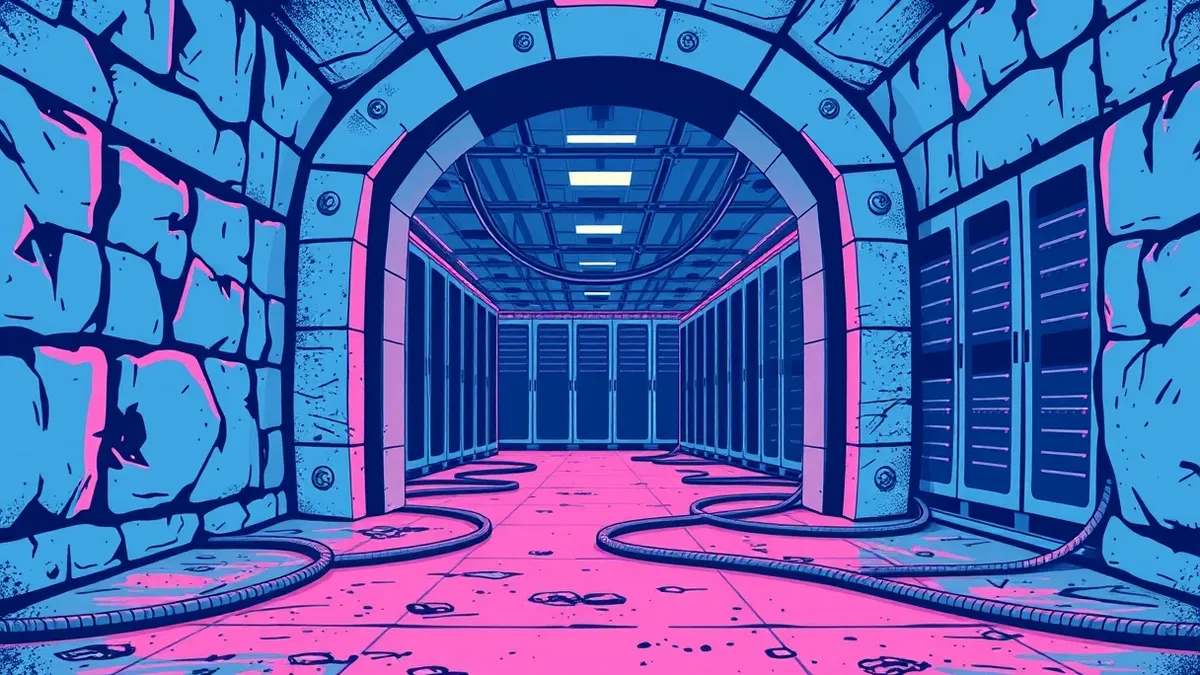
- Russian firms are exploring underground construction, including repurposed mines, to protect hardware from Ukrainian drone attacks.
- The new policy allows authorised use of foreign data centres, creating an exception to previous sovereign internet restrictions on offshore cloud storage.
Vedomosti reported that state-owned Rostelcom is discussing underground data centre construction with mining firm Norilsk, following recent infrastructure damage.reported This follows a decree signed by Vladimir Putin on 2 November, which Meduza reported orders operators to reserve ten per cent of capacity for state emergencies.reportedThe Russian government is forcing tech companies to keep extra computer space ready for emergencies after drone attacks damaged their servers.The decree introduces a 10% capacity reservation mandate and conditional offshore access, altering the sovereign internet compliance landscape.
Evidence: reported
Russia looks to hide data centers underground as Ukrainian drones strike backaifleet-ars
How we got here
Ukrainian drone strikes have damaged facilities housing AI supercomputers and disrupted cloud services for millions of users in Russia. These attacks target military and infrastructure sites, including data centres operated by Yandex, Sberbank, VKontakte and the Ministry of Finance.
What is new
The Kremlin has authorised a special commission to permit the use of foreign data centres, in consultation with the Federal Security Service. This represents a policy shift from the Sovereign Internet Law, which previously blocked Russian companies from using cloud infrastructure outside national borders.
Where this leaves builders
Data Center Dynamics noted a proposal by a regional governor to build facilities within open-pit coal mines, using green parks above as camouflage. The industry is scrambling to harden exposed digital infrastructure as the conflict degrades centralised systems dominated by a few tech giants.
What the paper shows
The source material indicates that physical security risks are forcing a re-evaluation of sovereign cloud policies. The reported results include specific infrastructure damage to major providers and a legislative change allowing offshore capacity.reported The stated limitation is that these measures are reactive responses to ongoing kinetic attacks, with no confirmation of widespread implementation yet.
Evidence: reported
Russia looks to hide data centers underground as Ukrainian drones strike backaifleet-ars
Why it matters
- Enterprise buyers must assess supply chain risks when Russian clients face mandatory capacity reservations for state use.
- The exception for offshore cloud bans suggests potential shifts in data residency compliance requirements for cross-border services.
- Physical hardening strategies, such as underground construction, may influence future R&D spending on resilient infrastructure.
- Centralised dependency on few providers increases systemic risk during geopolitical conflicts, affecting service continuity.
Topics: infrastructure, geopolitics, data centres, cloud computing, Russia
Updated
Then / now / next
Russian law blocked companies from using cloud infrastructure outside national borders under the Sovereign Internet Law.
A decree allows authorised use of foreign data centres and mandates ten per cent capacity reserves for state emergencies.
Watch for implementation details of underground construction proposals and commission guidelines for offshore usage.
Story timeline
- Then Russian law blocked companies from using cloud infrastructure outside national borders under the Sovereign Internet Law.
- 03 Nov 2026 Russia looks to hide data centers underground as Ukrainian drones strike back
- Now A decree allows authorised use of foreign data centres and mandates ten per cent capacity reserves for state emergencies.
- Next Watch for implementation details of underground construction proposals and commission guidelines for offshore usage.
The strongest doubt
Counterpoint from the sources
The material does not specify whether existing contracts with foreign providers will be honoured or if new restrictions will apply to the authorised exceptions.
For readers
Policy
- The sovereign internet ban on offshore cloud use now has a specific exception for authorised emergencies.
- Ten per cent of domestic capacity is now legally reserved for government use.
Investors
- Infrastructure damage to major firms like Yandex and Sberbank poses operational risks.
- Underground construction may increase capital expenditure for data centre operators.
Business
- Service continuity may be affected by mandatory state capacity reservations.
- Foreign data centre usage is now a potential compliance option under strict oversight.
Ask the article
Local keyword search of this article; no generated answers.Did this article give you the evidence you needed?
Your choice stays on this device. No public tally.Terms in this story
Sovereign Internet Law
Legislation blocking Russian companies from using cloud infrastructure outside national borders.
Rostelcom
State-owned telecommunications company exploring underground data centre construction.
Federal Security Service
Russian agency consulted on authorising use of foreign data centres.
Questions readers ask
Does the new decree allow Russian companies to use foreign cloud providers?
Yes, a special government commission can authorise use of foreign data centres in consultation with the Federal Security Service.
Which Russian companies have had data centres damaged by drones?
Ukrainian drone strikes degraded or knocked out data centres operated by Yandex, Sberbank, VKontakte and the Ministry of Finance.
How much capacity must operators reserve for the state?
Operators are required to set aside ten per cent of available space and capacity for government emergency needs.
Connected stories
Reading receipt
- Putin signed a decree requiring ten per cent of data centre capacity to be reserved for government emergency needs.
- Russian firms are exploring underground construction, including repurposed mines, to protect hardware from Ukrainian drone attacks.
- The new policy allows authorised use of foreign data centres, creating an exception to previous sovereign internet restrictions on offshore cloud storage.
Still open: How will the special commission define eligibility for using foreign data centres?
Still open: What is the timeline for implementing underground construction proposals?