Key points
- Residents filed a RICO lawsuit against OpenAI and Effingham County leaders.
- Plaintiffs claim non-disclosure agreements hid project details from the public.
- The suit cites dropped purchase offers as evidence of property harm.
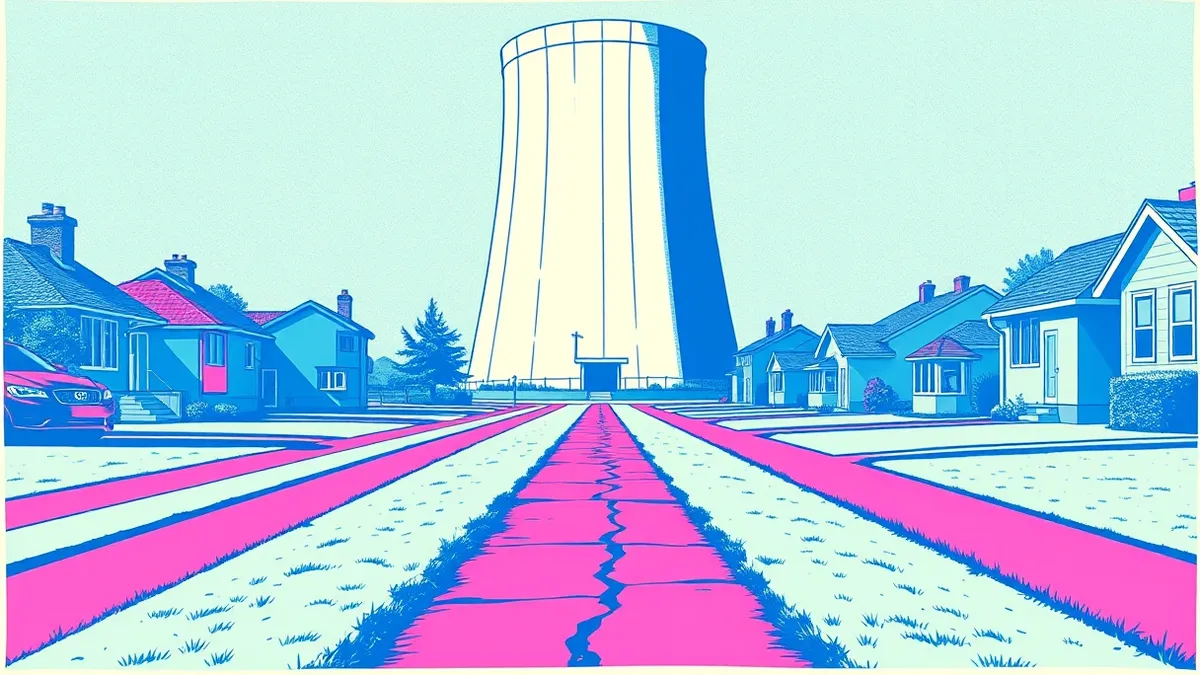
Residents of Effingham County, Georgia, have filed a civil lawsuit naming OpenAI and local government officials as defendants. according to the published report, the plaintiffs allege that the parties engaged in a conspiracy to secure approval for Project Camellia through fraud and concealment.reported The legal action seeks civil damages, with plaintiffs arguing that the project has negatively impacted local property values.A group of residents is suing OpenAI and local leaders, claiming they were kept in the dark about a massive new data centre.Plaintiffs allege a civil conspiracy involving NDAs and misleading statements to fast-track Project Camellia’s approval in Effingham County.
Evidence: reported
OpenAI and Georgia county leaders hit with Mafia-style RICO racketeering lawsuit over $30 billion AI data centeraifleet-tomshardware
How we got here
The lawsuit targets specific individuals and entities involved in the project’s development. according to the published report, defendants include all Effingham County Commissioners, such as Chairperson Damon Rahn, alongside County Manager Tim Callanan.reported The suit also names Brandt Herndon, CEO of the Effingham County Industrial Development Authority, and the IDA itself. Additionally, OpenAI affiliates Octans GA LLC and Savannah Industrial Development LLC are listed as defendants.
Evidence: reported
OpenAI and Georgia county leaders hit with Mafia-style RICO racketeering lawsuit over $30 billion AI data centeraifleet-tomshardware
What is new
The plaintiffs, identified by the Effingham Herald as Dr. Michelle Finch-Mincey, Lehman Mincey Jr., and Raymond Carver, assert that misleading public statements were used to keep residents unaware of the project’s nature. They allege that confidential negotiations and closed-door decisions were employed to advance Project Camellia. The complaint further claims improper land transactions and zoning violations occurred during the process.
Where this leaves builders
Project Camellia is described as one of OpenAI’s largest data centre initiatives. Tom’s Hardware notes the facility is planned for construction across five phases in Effingham County. The project is expected to cost between $20 billion and $30 billion.reported It aims to deliver a planned compute capacity of 3.2 gigawatts upon completion.
Evidence: reported
OpenAI and Georgia county leaders hit with Mafia-style RICO racketeering lawsuit over $30 billion AI data centeraifleet-tomshardware
What the paper shows
The source material does not contain a research paper or technical report. It details a legal complaint regarding land use and disclosure practices. According to the source material, The results cited are allegations of harm to property values, specifically noting that purchase offers for nearby homes have dropped or been withdrawn since the announcement.reported The stated limitation is that these are claims made by plaintiffs, not confirmed judicial findings or independent audits.
Why it matters
- Enterprise buyers must monitor legal risks associated with hyperscaler infrastructure projects in target regions.
- Allegations of concealed negotiations may indicate broader transparency issues in local data centre zoning approvals.
- Property value impacts suggested by plaintiffs could affect long-term operational stability and community relations.
- The involvement of multiple local government entities highlights complex liability chains in large-scale AI infrastructure deals.
Topics: OpenAI, data centres, legal, infrastructure, Georgia
Updated
Then / now / next
OpenAI planned to build Project Camellia in Effingham County with promises of minimal community impact.
Residents have filed a RICO lawsuit alleging fraud and concealment in the approval process.
The legal proceedings will determine whether the allegations of improper land transactions and zoning violations hold merit.
Story timeline
- Then OpenAI planned to build Project Camellia in Effingham County with promises of minimal community impact.
- 11 Nov 2026 OpenAI and Georgia county leaders hit with Mafia-style RICO racketeering lawsuit over $30 billion AI data center
- Now Residents have filed a RICO lawsuit alleging fraud and concealment in the approval process.
- Next The legal proceedings will determine whether the allegations of improper land transactions and zoning violations hold merit.
The strongest doubt
Counterpoint from the sources
The source material does not provide any statements from OpenAI or the county officials defending their actions or denying the allegations.
For readers
Investors
- Legal challenges could delay construction timelines for Project Camellia.
- Potential civil damages may impact financial projections for OpenAI and its affiliates.
Policy
- The lawsuit highlights tensions between rapid AI infrastructure deployment and local zoning transparency.
- Allegations of concealed negotiations may prompt stricter disclosure requirements for future projects.
Business
- Property value fluctuations near large data centres may affect local real estate markets.
- Enterprise buyers should assess legal stability when selecting regions for cloud services.
Ask the article
Local keyword search of this article; no generated answers.Did this article give you the evidence you needed?
Your choice stays on this device. No public tally.Questions readers ask
Who are the defendants in the lawsuit?
The defendants include OpenAI, its affiliates Octans GA LLC and Savannah Industrial Development LLC, and all Effingham County Commissioners and managers.
What is Project Camellia?
It is a planned data centre project by OpenAI in Effingham County, Georgia, with an estimated cost of $20 billion to $30 billion.
What damages are plaintiffs seeking?
Plaintiffs are seeking civil damages, alleging that the project has harmed their property values and caused purchase offers to drop.
Connected stories
Reading receipt
- Residents filed a RICO lawsuit against OpenAI and Effingham County leaders.
- Plaintiffs claim non-disclosure agreements hid project details from the public.
- The suit cites dropped purchase offers as evidence of property harm.
Still open: Has a judge accepted the case for full trial, or is it in preliminary stages?
Still open: What specific evidence supports the claim that property values have dropped due to the project?